
Dietary Advice for Obesity Treatment
Obesity medications reduce appetite – but what and how much you eat is crucial for preserving muscle mass, reducing side effects and achieving long-term weight loss success.
Our doctor provides dietary advice tailored to your treatment at every appointment. Nutritional counselling is included in every consultation – at no extra charge.
Book your first appointment
Why nutrition matters so much during obesity treatment
Preserving Muscle Mass
Up to 40% of weight lost can be muscle. Adequate protein intake prevents this.
Managing Side Effects
Smaller meals and the right foods reduce nausea and digestive discomfort.
Long-term Success
Healthy habits that remain even after treatment ends – without the yo-yo effect.
Dietary advice at each appointment
At the first appointment:
- Analysis of current dietary habits
- Basic guidelines for caloric intake
- Focus: protein 1.2–1.6 g/kg/day
- Individual nutritional plan
- Instructions for managing side effects
At follow-up appointments:
- Plan adjustment based on progress
- Review of protein intake
- Are you preserving muscle mass?
- Motivation and problem solving
At the end of treatment:
- Preparation for life after treatment
- Lasting dietary habits
- Preventing the yo-yo effect
Practical dietary tips from our doctor
- 1Start each meal with protein (meat, fish, eggs, cottage cheese, legumes).
- 2Eat smaller meals more frequently (4–5 times a day).
- 3Avoid fatty, fried and very sweet foods (they worsen nausea).
- 4Drink 1.5–2 litres of water daily (not during meals).
- 5Chew thoroughly and eat slowly.
- 6Stop eating when you feel satisfied – do not wait for a feeling of fullness.
Not sure what your BMI is?
Calculate it in 10 seconds with our free calculator and check whether you are a candidate for treatment.
Calculate your BMIBook your first appointment
Nutritional counselling is included in every appointment – at no extra charge.
Frequently asked questions about diet during treatment
Do weight-loss injections cause muscle loss?
Without appropriate measures, yes – up to 40% of weight lost can be muscle mass. That is why adequate protein intake (1.2–1.6 g/kg/day) and strength training are essential. We monitor the ratio monthly through body composition analysis.
How much protein do I need to consume during treatment?
We recommend 1.2–1.6 g of protein per kilogram of body weight per day. For a person weighing 90 kg, this means approximately 108–144 g of protein daily.
What should I eat to reduce nausea from the medication?
Eat smaller meals more frequently (4–5 times a day). Avoid fatty, fried and very sweet foods. Start meals with protein. Drink enough water, but not during meals. Eat slowly and chew thoroughly.
Do I need to count calories?
Not necessarily. Obesity medications naturally reduce appetite, so most patients consume fewer calories without counting. Focus on quality (enough protein, vegetables, healthy fats) rather than numbers.
Do I need dietary supplements?
With reduced food intake, using a multivitamin preparation is advisable. Your doctor advises based on your blood test results. We most commonly recommend vitamin D, magnesium and protein powder if you cannot reach the target intake through food alone.
What We Offer at Our Obesity Treatment Practice
MEDICAL CARE
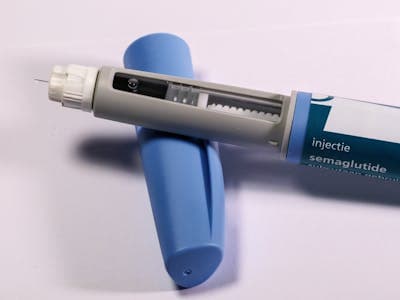
Prescription of weight loss medications
After a comprehensive examination, the doctor assesses suitability for treatment and prescribes appropriate medication when medically indicated. The choice is based on your health status, goals and budget.
More about treatment
ANALYSIS
Body Composition Analysis
A professional 8-electrode bioimpedance device measures 40+ parameters in 30 seconds: fat and muscle mass, visceral fat, hydration, basal metabolism.
Analysis
MONITORING
Monthly Monitoring
Regular follow-up appointments with body composition measurement, medication dose adjustment and side effect monitoring. We accompany you throughout the entire process.
MonitoringBook an appointment
No waiting, no referral. Appointment within 24–48 hours.
Štihova ulica 3, Ljubljana | By appointment