Sports injuries are unpleasant and common among both professional and recreational athletes. Whether it's torn muscles, damaged ligaments, or tendon inflammation, these injuries can cause prolonged pain and movement limitations. The key to quick and effective treatment of sports injuries is an accurate diagnosis, and here soft tissue ultrasound plays a crucial role. In this article, we will explore in more detail how ultrasound helps identify and treat sports injuries in children and adults, why this method is so popular, and how it contributes to faster recovery.
What is soft tissue ultrasound and how does it work?
Soft Tissue Ultrasound is a medical examination that uses sound waves to create images of internal structures, such as muscles, ligaments, tendons, and joints. It is an accurate, painless, and non-invasive method that does not use radiation, making it safe even for children. Ultrasound machines emit high-frequency sound waves that bounce off tissues and create an image that the doctor uses to assess the condition of soft tissues. The examination allows for a detailed analysis of muscle and ligament structure, detection of injuries, and monitoring progress during rehabilitation. You can read more about ultrasound and its mechanisms at Wikipedia.
Ultrasound of soft tissue is particularly useful for athletes, as it can quickly and accurately display muscle tears, tendon inflammation, fluid around joints, and other injuries that often accompany sports activities.
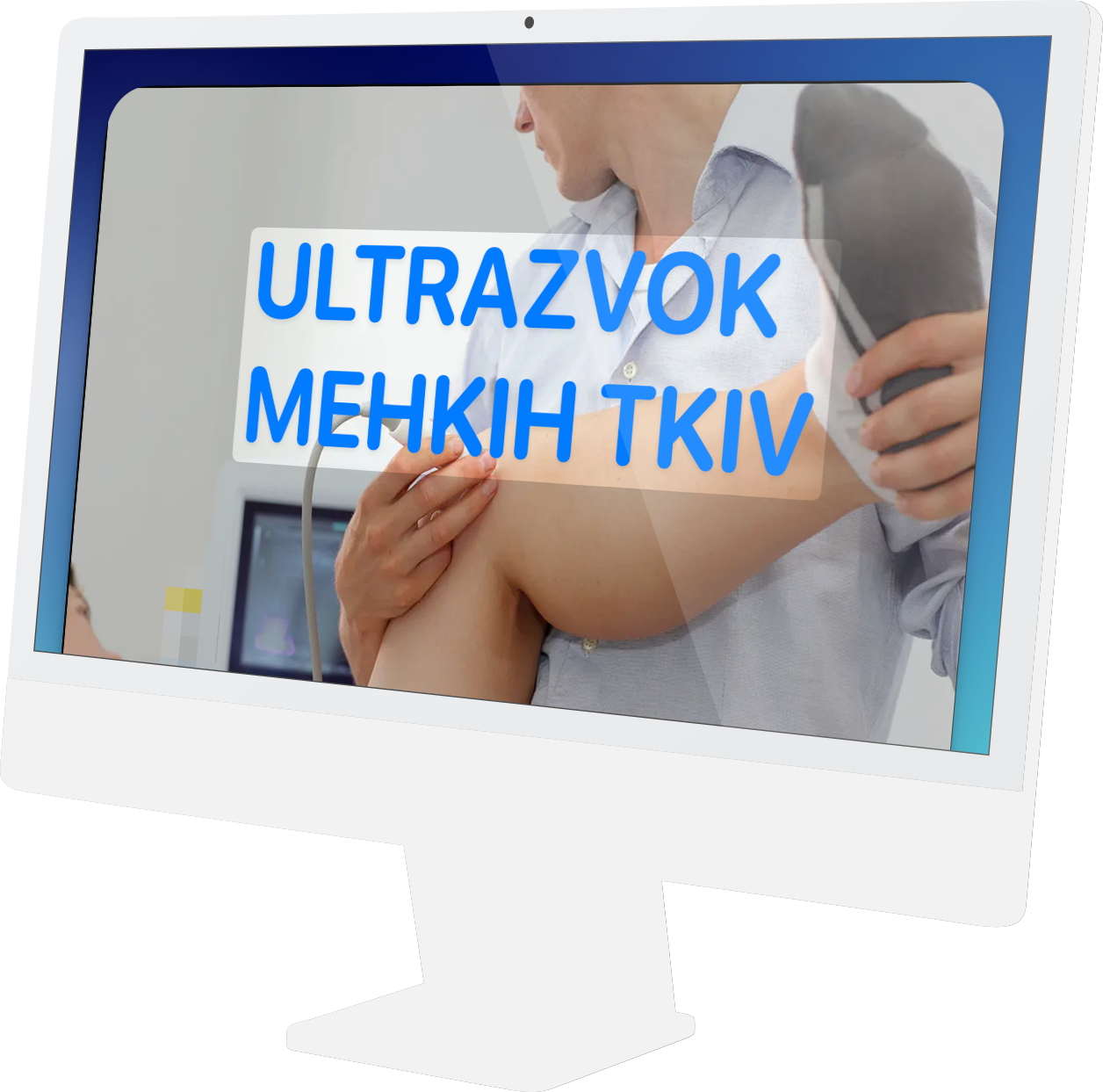
Why is soft tissue ultrasound crucial in sports injuries?
When a muscle, tendon, or joint injury occurs, quick action is crucial for successful recovery. Soft tissue ultrasound allows for a rapid diagnosis without long waiting times, as it can be performed immediately after the injury.
Key benefits of ultrasound for athletes:
- Precision: Ultrasound allows the doctor to see the condition of the injured tissue in real time. This is important for identifying microscopic injuries that X-rays or other methods do not detect. Learn more about the differences between ultrasound and X-rays at radiological online resources.
- Safe use: Since it does not use radiation, ultrasound is a safe method that can be used multiple times without concern, even for children and pregnant women.
- Quick Recovery: Early diagnosis allows for a faster start to treatment and thus a shorter rehabilitation period. Athletes can return to their activities sooner without fear of long-term injury.
Ultrasound of soft tissue in children – why is it particularly important?
Children and adolescents who actively engage in sports are often exposed to sports injuries that can affect their long-term development. Since their bodies are still growing, it is especially important that sports injuries are recognized promptly and accurately. Soft tissue ultrasound is an excellent diagnostic method for children, as it allows for quick and accurate identification of issues without pain or discomfort.
Common sports injuries in children that can be identified by soft tissue ultrasound include:
- Muscle strain: Ultrasound can accurately determine where the strain occurred and how serious the injury is.
- Torn ligaments: In children, ligaments tear more easily due to natural flexibility, so it is important for the doctor to recognize the extent of the injury. You can learn more about ligaments and their functions at online medical portal.
- Tendonitis: Recurrent tendon inflammation due to overuse can eventually lead to more serious issues, so early diagnosis is crucial.
How does soft tissue ultrasound help professional and recreational athletes?
Regardless of whether you are a professional athlete or a recreational enthusiast, sports injuries are an inevitable part of an active lifestyle. However, timely recognition of these injuries and proper treatment play a crucial role in quick recovery and prevention of further injuries. Soft tissue ultrasound offers professional athletes and recreational enthusiasts easy access to accurate diagnostics, allowing them to quickly identify issues and begin tailored rehabilitation.
Benefits for athletes:
- Injury Prevention: Using ultrasound, a doctor can identify weak points in your body and advise you on how to adjust your training to prevent further injuries.
- Monitoring rehabilitation: Ultrasound is also used to monitor progress during treatment, allowing for the adjustment of rehabilitation plans according to the condition of the injury.
- Restoration of Athletic Fitness: With an accurate assessment of the current tissue condition, athletes can restore their physical fitness more quickly and safely without the risk of re-injury.
Investigation process: what to expect during a soft tissue ultrasound?
Ultrasound of soft tissue is a simple, quick, and painless procedure that does not require special preparations. Here is a brief overview of what you can expect:
- Preparation: The patient usually does not require special preparation before an ultrasound examination. Depending on the area of the body to be examined, the doctor may advise comfortable clothing.
- The procedure itself: During the examination, the doctor will apply a special gel to the skin area, which enhances the conduction of sound waves. Then, with a handheld probe, they will examine the muscles, tendons, or joints that need to be assessed.
- Duration: The examination usually takes between 15 and 30 minutes, depending on the extent of the injury and the area of the body.
- Results: The doctor will analyze the examination results immediately and then explain the condition of the injury and any possible next steps.
When is the right time for a soft tissue ultrasound?
Many athletes wonder when is the appropriate time for an ultrasound examination. If you experience any of the following symptoms, it may be time to consider an ultrasound:
- Chronic pain: If you have been suffering from persistent pain that does not go away, an ultrasound may be key to identifying a hidden injury.
- Limited mobility: If you cannot move normally due to pain or discomfort, an ultrasound can show where the problem is.
- Injury that does not heal: If it seems that an injury is not progressing despite rest and rehabilitation, an ultrasound can reveal why this is the case.
Early diagnosis is always better than later intervention, as it prevents long-term damage and allows for faster recovery.
How does soft tissue ultrasound contribute to faster recovery?
The true power of soft tissue ultrasound lies in its ability to quickly and accurately identify sports injuries. This early diagnosis allows for the initiation of targeted treatment, contributing to faster recovery.
With an ultrasound examination, the doctor can quickly assess what treatment is necessary—whether it is rest, physical therapy, or even surgery. Ultrasound also allows for precise monitoring of rehabilitation, meaning the treatment plan can be adjusted on the go based on the patient's progress.
Frequently Asked Questions About Soft Tissue Ultrasound
Can ultrasound detect all types of soft tissue injuries?
Answer: Ultrasound is extremely effective in identifying injuries to muscles, ligaments, tendons, bursae, and joints. However, it is less suitable for very deep tissue or tissue located behind bones, as sound does not pass through bone. For such cases, MRI or CT scans are often used.
Is the ultrasound painful?
Answer: No, an ultrasound is a completely painless examination. During the examination, the patient lies down or sits, and the probe is moved over the skin surface, which is coated with a special gel. The only slight discomfort may occur if pressure needs to be applied to a sensitive area due to an injury, but the procedure itself is not painful.
How quickly are ultrasound results available?
Answer: Results are usually available immediately, as images are displayed in real-time during the examination. The radiologist can provide an initial assessment of the condition right away, but additional consultation with a specialist doctor may be necessary for a final diagnosis and recommendations.
Can ultrasound of soft tissue replace MRI?
Answer: In certain cases, yes. Ultrasound is very suitable for assessing injuries to muscles, tendons, and ligaments, while MRI is a better choice for examining deeper structures and more complex injuries. The doctor will choose the appropriate method based on the specific injury and body part.
Which doctors perform soft tissue ultrasound?
Answer: Ultrasound of soft tissue is performed by trained radiologists who specialize in using imaging tests for diagnosing injuries. In children, ultrasound is usually performed by pediatric radiologists, who are experts in working with younger patients and the specific needs of a growing body.
How long does an ultrasound examination of soft tissue take?
Answer: The examination usually takes from 15 to 30 minutes, depending on which area of the body is being examined and how extensive the injury is.
How accurate is soft tissue ultrasound in diagnosing sports injuries?
Answer: Ultrasound of soft tissue is a very precise diagnostic method, especially for examining injuries to muscles, ligaments, and tendons. The accuracy depends on the experience of the radiologist, but in most cases, ultrasound is accurate enough to detect injuries that other tests, such as X-rays, cannot reveal.
Can an ultrasound of soft tissue detect injuries that an MRI does not?
Answer: In some cases, ultrasound can detect injuries that MRI does not, especially in smaller soft tissues or surface injuries. However, MRI remains a better choice for examining deeper tissues and bones, as it provides more detailed images.
Is an ultrasound of soft tissue suitable for diagnosing chronic injuries?
Answer: Yes, soft tissue ultrasound is very suitable for diagnosing chronic injuries, such as long-term tendon inflammations or recurring muscle injuries. Regular ultrasound examinations allow doctors to monitor the progress of treatment and adjust therapy.
How to prepare for a soft tissue ultrasound?
Answer: No special preparation is needed for a soft tissue ultrasound. It is recommended to wear comfortable clothing and follow the doctor's instructions based on the specific examination. The procedure itself is painless and takes approximately 15 to 30 minutes.
How much does a soft tissue ultrasound cost in Slovenia?
Answer: The cost of a soft tissue ultrasound in Slovenia depends on the location and service provider. The price can range from 80 to 200 EUR.
When is it necessary to perform a soft tissue ultrasound after a sports injury?
Answer: It is recommended to perform a soft tissue ultrasound as soon as possible after an injury, especially if the pain and swelling persist for more than a few days or if the condition is not improving. Early diagnosis helps prevent further injuries and accelerates recovery.
Is ultrasound of soft tissue dangerous for children?
Answer: Ultrasound is completely safe for children as it does not use ionizing radiation found in X-rays or CT scans. This makes it ideal for regular examinations and monitoring injuries in young athletes.
Don't delay the check-up.
Ultrasound of soft tissue is a key diagnostic method for athletes, as it allows for quick identification of injuries, leading to faster and more effective recovery. Whether it's a professional athlete, a recreational player, or a child, ultrasound provides an accurate assessment of the condition of soft tissues, which is essential for successful treatment. If you are dealing with a sports injury, ultrasound is worth considering, as it can help you return to the game faster and prevent long-term issues.
How do I schedule an ultrasound at Ultrazdravje?
You can schedule an appointment:
✅ Online on our site /ordering or by clicking the "Book Appointment" button below.
✅ By phone 01 777 4255 for quick ordering without waiting lines.
✅ Via social networks – Facebook Messenger, Instagram, Telegram... Click on the blue icon at the bottom right.
👉 Don't hesitate, sign up today and take care of your health!